The other Watford, and the line England draws through it
Somewhere on the M1 there is a service station called Watford Gap. It is seventy-five miles from Watford, in a different county, and it has been quietly borrowing this town’s name since 1959.
Ask anyone in Britain what “north of Watford” means and they will tell you the same thing: everywhere that is not London, said with a slight sneer. Ask them which Watford and the room divides. It is one of the few arguments where both sides are holding a real map.
Two Watfords, seventy-five miles apart
This one — Watford, Hertfordshire, sitting where the M1 and the M25 meet — was the last large town on the main line out of Euston before the railway ran off into open country. The phrase north of Watford Junction is recorded with exactly the meaning you would expect, and Watford Junction has been the marker ever since the London and Birmingham Railway reached the town on 20 July 1837.
The other is Watford, Northamptonshire: a village of a few hundred people beside a gap in a limestone ridge, five miles north of Daventry. The gap is a real geographical feature — a natural low crossing that the Romans, the canal builders, the railway and finally the motorway all used in turn, because for miles around there was nowhere better. It has genuinely been written about as the dividing line between the north and the south of England.
The phrase was already in circulation years before the M1 existed. Whichever Watford it started with, it did not start with a service station. The one point both sides of the argument agree on
2 November 1959
On that day Britain opened the M1 and, the same morning, Watford Gap services — one of the first motorway service areas in the country, and for years one of the only places on a motorway where you could stop at all. Every band, lorry driver and coach party heading north went through it, and the name travelled with them. Because a service station is a far more vivid thing than a railway junction, a great many people quietly reassigned the phrase to a Northamptonshire village they have never knowingly visited.
Which is hard on Watford, Hertfordshire, and occasionally a problem for us. “Meet the coach at Watford” is a sentence we will not accept without a second one, because somewhere in England there is a group standing in a car park 75 miles from where their driver is waiting.
What the roads actually did to this town
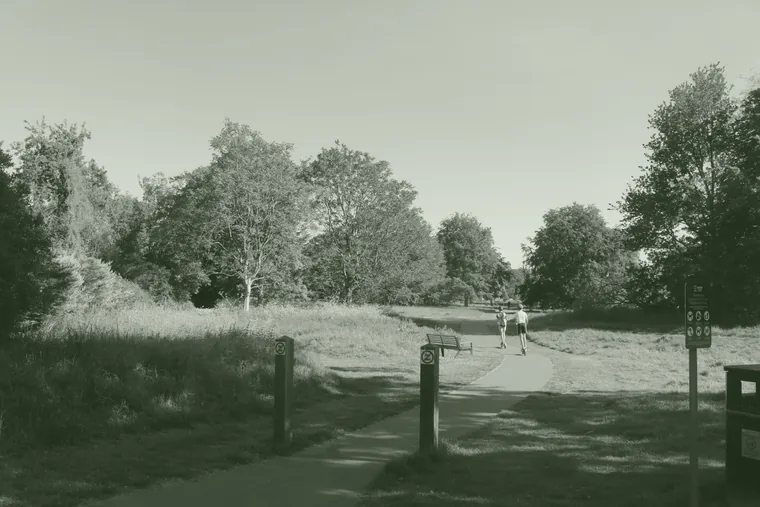
Watford has spent two centuries being the place the traffic goes through. The canal came first, cut along the edge of what is now Cassiobury Park, and the towpath is still there. Then the railway in 1837 — its original station closed in 1858 and was replaced by Watford Junction, but the little red-brick ticket office survived and is Grade II listed to this day. Then the M1 in 1959, and the M25 wrapped around the bottom of the town after it.
Every one of those made Watford easier to leave and easier to reach, which is how a market town became a printing town, then a brewing town, and now a town where coaches arrive every week for a film studio that did not exist twenty-five years ago. The traffic was never a side effect here. It was the plan.
If your group is meeting a coach at “Watford”, tell us Junction, High Street or Met — and we will tell you exactly which kerb the driver will be sitting at.